
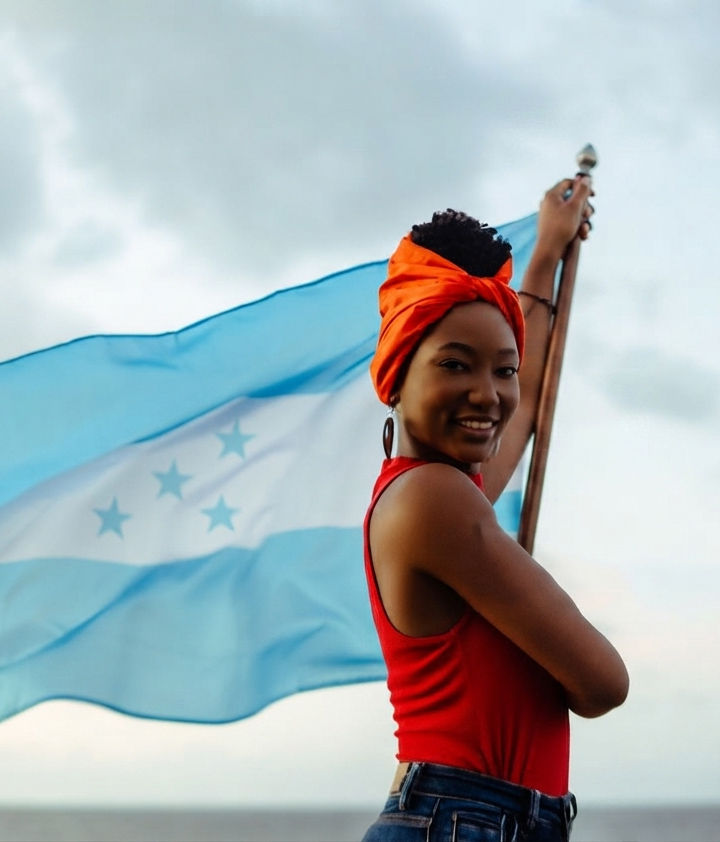

About Roatan, Honduras
About Roatan Island

Roatán is the largest of Honduras's Bay Islands, set in the crystal-clear waters of the western Caribbean Sea. It's part of a small archipelago that sits along the Mesoamerican Barrier Reef, the second-largest coral reef system in the world after Australia's Great Barrier Reef — making it one of the premier diving and snorkeling destinations on the planet. Beyond its beaches, Roatán boasts a warm, tropical climate with gentle sea breezes and lush, green landscapes that stay vibrant all year round.
A Rich and Layered History
Roatán's story stretches back centuries. The island was inhabited by the Paya people in the pre-Columbian era, skilled seafarers and farmers who left behind archaeological sites still found on the island today. Christopher Columbus landed here in 1502 during his final voyage to the Americas, and in the centuries that followed, the island became a haven for pirates, European settlers, and Afro-Caribbean communities — including the Garifuna, whose ancestors were forcibly relocated to Roatán from St. Vincent in 1797, and whose culture is proudly celebrated on the island every April. This blend of Indigenous, European, and Afro-Caribbean heritage gives Roatán a cultural identity found nowhere else in the Caribbean.
A Warm, Bilingual Island Community
Today, Roatán is home to a friendly, welcoming community that reflects this diverse past. Most residents are bilingual, speaking both English and Spanish, and while Spanish has become the primary language in some areas, the island's distinct island-English dialect remains a proud part of local identity. Visitors are often struck by the genuine warmth of the locals, who are eager to share their traditions, food, and stories with travelers passing through.
A Destination for Every Kind of Traveler
Whatever kind of trip you're looking for, Roatán delivers it. Families will find calm, shallow waters and easygoing excursions perfect for kids of all ages. Couples can enjoy romantic beach days, oceanfront dining, and quiet sunset moments. Adventure seekers can dive into world-class snorkeling, diving, ziplining, and wildlife encounters, while those craving relaxation can simply sink into a hammock or lounge chair and let the island's slow pace take over. Cruise passengers can pack an incredible day of sightseeing and adventure into just a few hours, and history and culture lovers will find layers of stories waiting to be discovered around every corner.
However you choose to experience it, Roatán has a way of leaving a lasting impression — turning a single visit into memories that last a lifetime.

Geography
Roatán is the largest of Honduras' Bay Islands, located about 30-35 miles off the country's northern coast in the western Caribbean. The island stretches along an east-west axis of about 30 miles but is only 1 to 2 miles wide, covering an area of approximately 49 square miles. It is part of a small archipelago along with Guanaja, Utila, and dozens of smaller cays.
Climate
Roatán remains warm year-round, with air temperatures typically ranging from 77°F to 88°F and sea temperatures from 78°F to 86°F. The peak season runs from mid-December to April, offering the clearest waters for marine life viewing, while the quieter months of July through September bring lower prices and more lush scenery.
Natural Beauty
Roatán combines mountainous, forested terrain with a pristine white-sand coastline and rocky cliffs. On the eastern tip, dense mangroves grow directly into turquoise waters, adding a striking and almost surreal landscape to the island's diverse natural beauty.
Marine life
Roatán is located next to the Mesoamerican Barrier Reef, the second largest coral reef system in the world. These reefs are home to more than 65 species of coral and over 500 species of fish, including sea turtles, rays, and seasonal whale sharks, making the island one of the world's best diving destinations.
Culture
Roatán's culture blends Indigenous, European, and Afro-Caribbean influences. Its Garifuna heritage dates back to 1797, when Black Carib communities were relocated to Punta Gorda from St. Vincent, and today English, Spanish, and Garifuna are spoken throughout the island.
Activities and Attractions
The island offers something for every traveler, from the beaches and wildlife encounters of Little French Key to the Iguana Farm near French Harbour, where iguanas roam freely. The laid-back towns on the eastern end, Oak Ridge and Jonesville, known as the "Venice of Roatán," offer a more relaxed, local experience, along with diving, ziplining, and dolphin encounters all around the island.
Eco Tours
Conservation is an increasingly important part of tourism in Roatán. The Sandy Bay-West End Marine Reserve is a prime example of community-based marine conservation, and local operators implement responsible reef diving practices and lionfish control programs to protect the surrounding waters. Kayak tours through the mangroves offer another gentle way to explore the island's ecosystems.
Local Art and Crafts
Local artisans create jewelry, wood carvings, and handwoven textiles with Caribbean and Garifuna roots, available in small shops around West End and Coxen Hole. Traditional dishes like baleadas, pastelitos, and fresh seafood add another layer of local craftsmanship and flavor.
Festivals and Events
El calendario de Roatán está lleno de celebraciones. La Semana Santa, el Carnaval, la Feria Pirata y el Festival del Camarón atraen multitudes durante todo el año, mientras que el 12 de abril honra la llegada de la comunidad garífuna en 1797 con trajes tradicionales, tambores y baile.